
火影忍者
Zero-tariff policies, systemic support help African countries expand exports, upgrade industry_我的网站

A |
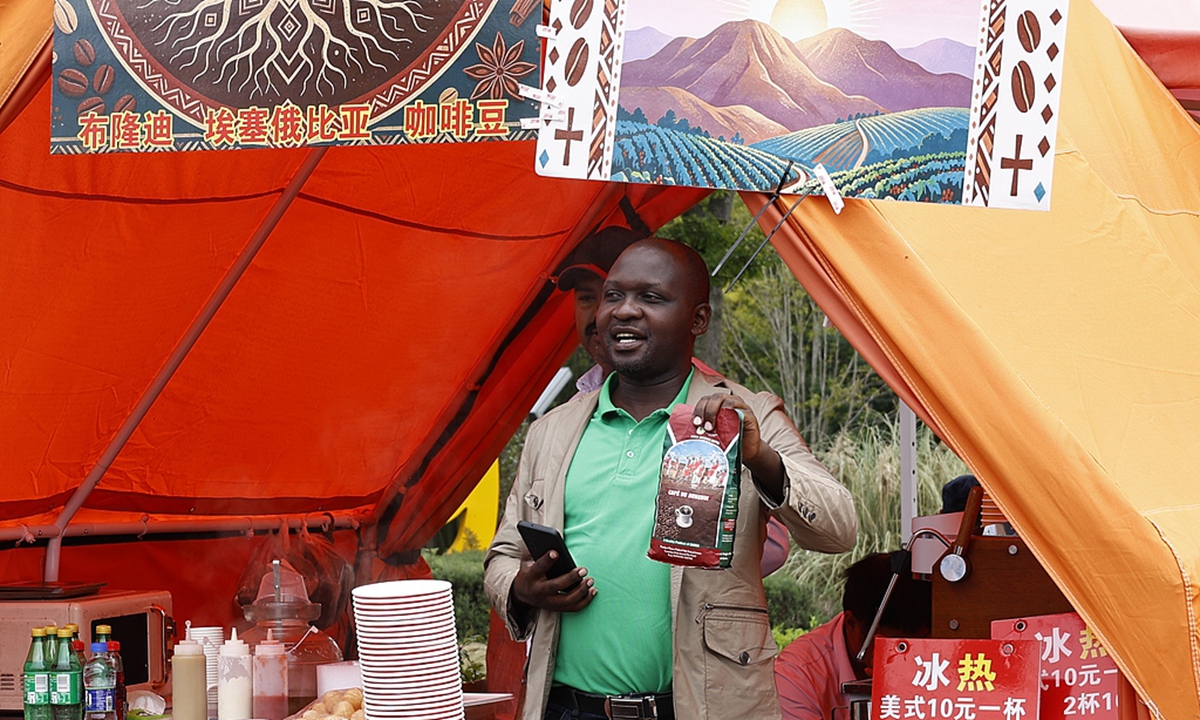

For Ethiopia, which is believed to be the birthplace of coffee, this initiative presents significant opportunities.
"Coffee is not only our leading agricultural export but also an integral part of our cultural heritage. For centuries, Ethiopians have preserved a unique coffee tradition, where families and neighbors gather to prepare and share coffee in a ceremony that symbolizes hospitality and friendship in community," Geleta said.
With improved market access, Ethiopian coffee exports to China are expected to grow substantially. China has become one of the world's fastest-growing coffee consumption markets and is now Ethiopia's third-largest coffee export destination, Geleta noted.
In 2025, China's coffee industry was valued at 354.9 billion yuan ($52.63 billion), up 13.3 percent year on year. Annual per capita consumption rose from 22.24 cups to 28.57 cups, while the value of coffee bean imports increased by 73.9 percent year on year, according to the 2026 China Urban Coffee Development Report released in July.
The Ethiopian diplomat believes China's zero-tariff policy will enhance the competitiveness of Ethiopian coffee, increase export earnings, and encourage greater investment across the coffee value chain, including processing, packaging, branding, logistics and quality certification.
Since July 20 this year, China has granted full market access to coffee beans meeting quarantine requirements from all African countries that have diplomatic ties with China. The full market access is regarded as a landmark achievement in China-Africa cooperation on agricultural market access.
Geleta said that Ethiopia warmly welcomes this landmark policy. Having joined China's zero-tariff arrangement in 2024, the East African country has already witnessed its positive impact on bilateral trade and economic cooperation.
"The policy goes beyond tariff preferences. It demonstrates a practical commitment to South-South cooperation based on mutual respect, shared development and win-win partnership," Geleta noted.
It creates new opportunities for African countries to diversify exports, strengthen productive capacity and participate more actively in global value chains, the diplomat said.
As members of the Global South, Ethiopia and China share a common vision of promoting inclusive and sustainable development. This zero-tariff initiative establishes a valuable benchmark for building agricultural trade rules that better reflect the development needs of emerging economies, she noted.
It also complements the objectives of the FOCAC and the African Continental Free Trade Area (AfCFTA) by supporting greater regional integration and international market access, said Geleta. AfCFTA is a flagship initiative of the African Union designed to transform the continent into the world's largest free-trade area, per the AU.
From Geleta's observation, the market access granted by China is not merely a trade policy, but also a practical example of development cooperation that benefits ordinary people.
Coffee farming sustains millions of Ethiopian households, so greater access to China's market bears direct significance for poverty alleviation, rural advancement and national economic transformation. The policies foster steady demand for Ethiopian coffee, increasing farmer's earnings and bolstering rural community resilience, she said. Such gains closely echo the China-proposed Global Development Initiative, which emphasizes poverty reduction, food security, inclusive growth and sustainable development.
The diplomat said Ethiopia welcomes Chinese investment in agricultural processing, cold-chain logistics, food manufacturing and value-added industries in Ethiopia. Such investment will support industrialization, technology transfer and job creation while strengthening resilient supply chains, Geleta added.
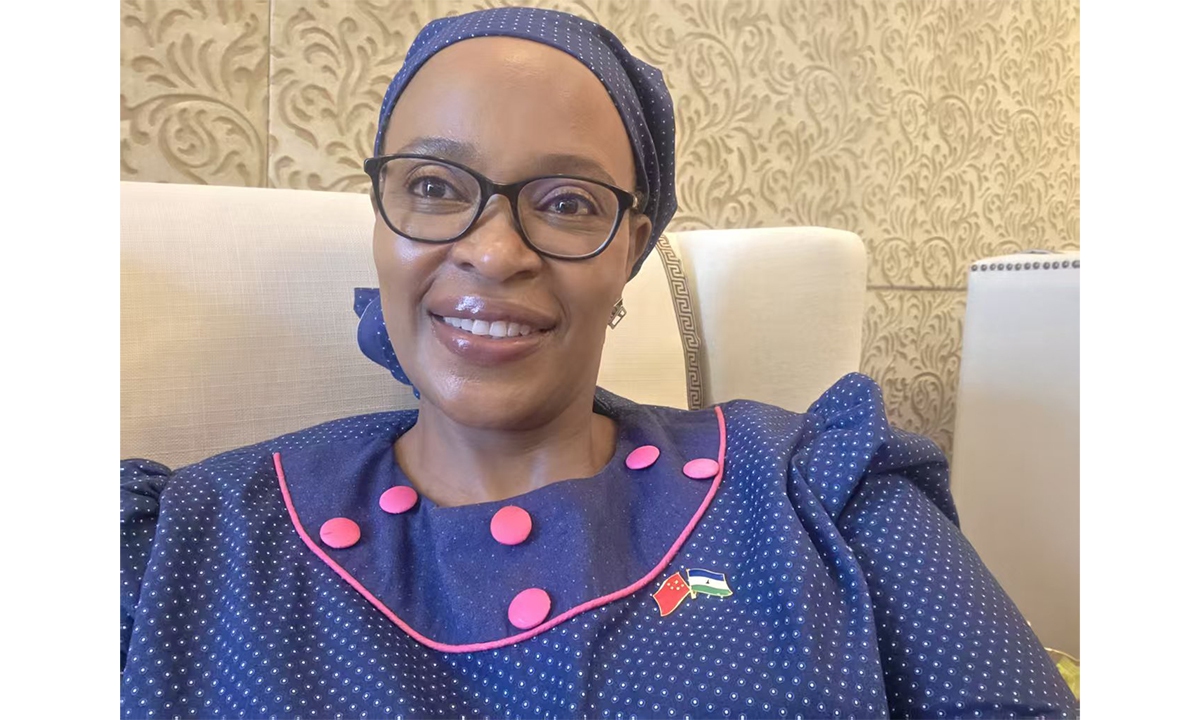
Mile said the policy provides a structured, phased approach to reducing trade difficulties and securing institutional guarantees. "It perfectly embodies the strong, historical foundations built through FOCAC over the years to forge a modernized, forward-looking economic future."
Amid comments saying that African countries still face challenges beyond tariffs, including logistics, standards and market-access capacity, Ambassador Mile of Lesotho said that tariff reduction is a necessary condition for trade expansion; however, more conditions are required to reach deals.
Take Lesotho, a landlocked country, for instance. The country faces acute logistical hurdles and high transport costs. Complying with sanitary and phytosanitary measures, as well as quality standards remains a massive challenge for many enterprises in Lesotho.
To fully benefit from the favorable tariff policy, Mile pointed to systemic technical support for African exporters, targeted investments in agro-processing, and enhanced trade facilitation.
"Initiatives recently introduced by China Customs, such as the 'Green Channel 2.0' for agricultural products and expanding authorized economic operator mutual recognition capacity building, are exactly the types of institutional support needed to overcome the non-tariff barriers," she elaborated.
。 4月27日下午,网传哈尔滨市道里区康安小区一居民楼出现墙体开裂,且裂缝逐渐增大。现场画面显示,事发居民楼楼体外出现明显裂缝,且一侧楼体有倾斜迹象。附近居民称现场能闻到明显煤气味,周边已被警戒线围起,有公安人员在场维持秩序。 4月28日上午,哈尔滨市道里区出现整体倾斜险情的康安小区10号楼拆除工作已经开始。据哈尔滨市道里区政府通报,4月27日,哈尔滨一住宅楼楼体突然裂开逐渐倾斜,该楼体居民已于2022年8月全部迁出安置,现处于空置状态。现场根据专家组排查、监测和技术研判,决定对出现险情的独立结构楼体实施拆除。 据房屋交易网站信息,康安小区建成于1998年,2022年7月27日,黑龙江省哈尔滨市道里区人民政府官方网站曾发布信息称,经现场沉降检测,该区康安三道街31号至45号房屋存在极大安全隐患,房屋内及楼上的企业、商家和人员、物资连夜撤离。

B | 据极目新闻消息,官方公布出现安全隐患的房屋正是此次出现整体倾斜险情的康安小区10号楼。 28日,哈尔滨道里区人民政府发布情况通报,表示事发辖区康安小区,出现楼体倾斜的楼现处于空置状态,现决定拆除,通报全文如下: 情况通报 2024年4月27日17时40分,道里区在日常巡查中发现,康安小区由3个独立结构楼体组成的10号楼,其中一个独立结构楼体出现整体倾斜险情(该楼体居民已于2022年8月全部迁出安置,现处于空置状态)。 现场根据专家组排查、监测和技术研判,与之相邻的两个独立结构楼体安全未受影响;决定对出现险情的独立结构楼体实施拆除。 (图源网络 中国小康网综合@青蜂侠Bee、纵览新闻、哈尔滨日报)。
Current article:http://bxv1.tibiantasangnenti.buzz/list_3rkpu5x/lpo86yu.html
Published on:08:30:06


1
抖音近一个月处置60万个恶意营销号 某著名科技品牌长期被黑2
北京市一季度财政收入1789.2亿元 社会保障和就业财政支出同比增长6%3
进一步加强汛期水环境监管4
22 killed in Venezuela landslide5
邬贺铨:AI兴起 互联网基础资源技术创新正当时,邬贺铨:AI兴起 互联网基础资源技术创新正当时6
制服姿の素朴な女子高生→4年後…… “体重変わってないのに”激変した現在の姿に「努力の結晶すぎるよ」「ほんとに凄すぎる」7
白岩松说对了,“辞职”篮协主席的姚明,已经走上了另一条大道!8
从展台“秀肌肉”到“走”进街头巷尾 城市真实场景变为机器人的“试验场”9
第28届亚洲宠物展览会在沪开幕10
土耳其寻求对内塔尼亚胡发布“红色通缉令”11
PM to unveil India made HTT-40 for IAF today12
字节将推AI办公“豆包工作” 正面迎战阿里腾讯13
The Parasite-Infested Giant African Land Snail is Back in Florida14
东亚足球锦标赛末轮与日本队言和 中国女足一胜两平居亚15
2026中国网络媒体足球精英赛赛程公布
- 随机推荐
1
海报丨“数”览党代会报告!过去五年,石家庄这份成绩单很亮眼2
ミスマガジンのIカップバストが炸裂 対戦終えた無防備ポーズと寝顔にドキッ3
河北加速布局大数据中心体系4
威廉和凯特地位不保?专家:王室更需要哈里和梅根,他们更有活力5
日本公开赛第4日:国羽3胜4负!王祉怡7连胜终结,陈雨菲独挑大梁6
市场监管总局:今年已发布新兴产业国家标准1400余项,市场监管总局:今年已发布新兴产业国家标准1400余项7
Former SS guard, 98, charged as accessory to murder at Nazi concentration camp8
劳伦斯奖晒近10年最佳男运动员获奖者:德约4次当选,梅西2次9
打了1643天,泽连斯基要走人了?他留给乌克兰的只剩遍地废墟,震旦说,原创 打了1643天,泽连斯基要走人了?他留给乌克兰的只剩遍地废墟10
武田中国与蚂蚁健康达成合作11
拼多多成功起店的底层逻辑12
CPC to unswervingly advance cause of national reunification: Xi Jinping13
制动控制模块软件存在偏差/共计2辆 极星Polestar 2开启召回14
银川地震瞬间返回背起同学逃生的学生被嘉奖:奖金9000元并免学费,获德国公派留学机会15
2026科隆展直播前瞻:全球大厂放大招!海量新作实机抢先看